
SONIC at the NATO Maritime Cybersecurity Conference 2026
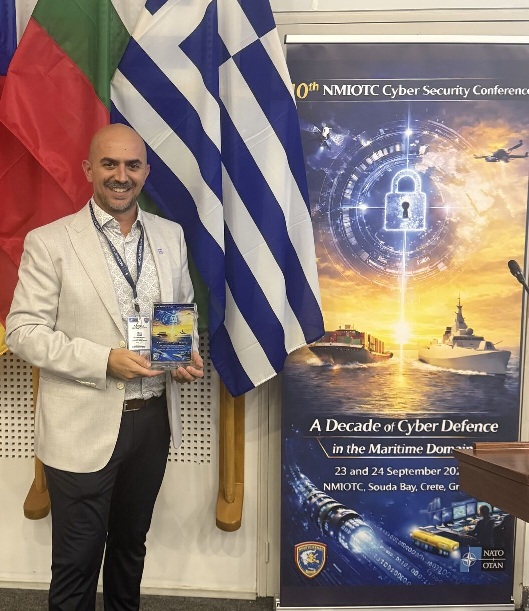
The SONIC Project was proudly represented at the 10th Cybersecurity in Maritime Sector Conference, hosted by the NATO Maritime Interdiction Operational Training Centre (NMIOTC), through a keynote presentation delivered by Manos Athanatos from project partner Cymph.
The presentation, titled “The Next Decade of Maritime Cyber Defence: From Incident Response Plans to Continuous Readiness,” focused on a critical evolution in maritime security: transitioning from static, compliance-focused response documents toward dynamic, real-time cyber resilience.
Key Insights from the Session
✔️ From Static Plans to Continuous Capability: Modern maritime environments, where IT networks, Operational Technology (OT), vessel navigation, and port operations converge, are far too complex for periodic readiness checks. Security teams must move toward continuous testing, automated response validation, and dynamic adaptation.
✔️ Empowered by the SONIC Project: The session highlighted how research outcomes from the SONIC Project, particularly AI-enabled threat detection, automated policy orchestration, and adaptive incident mitigation, provide the technological foundation required to turn paper-based plans into executable operational capabilities.
✔️ Bridging Complex Stakeholder Ecosystems: Building on foundational work carried out by Cymph, the presentation underscored the necessity of seamless coordination across commercial operators, port authorities, and defence organisations.
As cyber risks targeting maritime logistics and critical supply chains continue to grow, the SONIC Project remains dedicated to advancing AI-driven automation, continuous capability validation, and robust threat intelligence sharing across the maritime domain.
🌐 To learn more visit the event page.
🌐 For more updates on our latest news subscribe to our newsletter.
SONIC has received funding from the European Union’s DIGITAL programme under Grant Agreement No. 101249631. The views and opinions expressed are those of the authors only and do not necessarily reflect those of the European Union.